
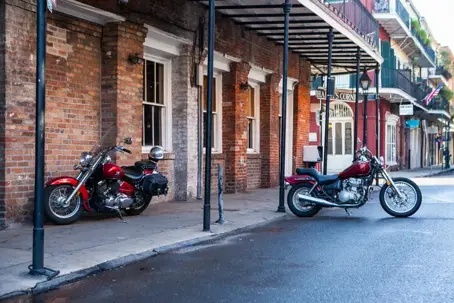
As fall settles in across Louisiana, many riders look forward to crisp air, scenic roads, and peaceful rides. But with cooler weather comes new challenges. Fog, damp roads, and sudden temperature drops can make riding more dangerous than expected. Even a slight slip or momentary loss of visibility can lead to serious injury — especially when another driver loses control in poor weather and collides with a motorcyclist.
If a motorcycle crash has left you or a loved one injured, don’t wait to get help. Contact our team today or call (337) 329-8350 to speak with a Louisiana motorcycle accident attorney who can help you take the next step forward.
The Challenges of Riding in Louisiana’s Cooler Weather
Louisiana may not face harsh winters, but fall and early winter bring conditions that can catch even experienced riders off guard. From slick roads to bulky layers that restrict movement, cooler weather changes the way a motorcycle handles.
Here are a few common risks to watch for:
- Cold tires and slick roads: Tires lose flexibility in lower temperatures, which reduces traction and increases the likelihood of sliding.
- Fog and shorter days: Reduced visibility during early morning and evening rides makes it harder for drivers to see motorcycles.
- Sudden weather shifts: Quick changes in rain or wind can create hazards, especially on rural or shaded roads.
- Layered gear limitations: Thick jackets and gloves protect against cold but can limit mobility and slow reaction times.
A little extra preparation can make a big difference in staying safe through Louisiana’s cooler months.
How to Stay Safe on a Motorcycle in Cooler Weather
Riding in cooler temperatures requires more attention to maintenance, gear, and habits. Here are a few essential steps to help you ride safely and confidently.
1. Check Tire Pressure and Condition
Cold air can lower tire pressure, which affects how your motorcycle grips the road.
- Check your tires before every ride.
- Ensure the tread depth is sufficient for wet conditions.
- Ride slowly for the first few miles to warm up your tires.
2. Choose the Right Riding Gear
Comfort and safety go hand in hand when temperatures drop.
- Dress in layers that allow flexibility while keeping you warm.
- Use insulated gloves with good grip.
- Wear a full-face helmet with an anti-fog or clear visor to maintain visibility.
3. Stay Alert for Slick Spots
Even when there’s no ice, roads can still be slippery.
- Watch out for wet leaves, oil residue, and early morning dew.
- Be especially cautious in areas near bridges and in shaded spots.
- Avoid sudden turns or hard braking on damp pavement.
4. Adjust How You Ride
Cooler conditions mean slower reactions — from both you and your motorcycle.
- Reduce your speed and increase following distance.
- Stay visible by wearing reflective clothing and keeping headlights on during the day.
- Plan routes with rest stops in mind if fatigue sets in; cold weather can make long rides even more tiring.
Taking these precautions can make each ride safer and more enjoyable, no matter the season.
What to Do If Another Driver Hits You in Cold Weather
Sometimes, even the most cautious rider can’t avoid a collision when another driver loses control in fog, rain, or slick road conditions. If another driver hits you because of weather-related factors, take these steps right away:
Call 911 immediately. Report the accident and request medical help. Let dispatchers know if weather or visibility played a role.
Move to safety, but don’t leave the scene unless it’s unsafe to stay.
Exchange information with the other driver, including license and insurance details.
Document everything. Take photos of the vehicles, the roadway, weather conditions, and any visible injuries.
Get medical attention right away, even if you think you’re not badly hurt. Some injuries appear hours or days later.
Avoid admitting fault. Weather can make it unclear who is responsible — allow investigators and your attorney to review the facts.
Contact a motorcycle accident lawyer as soon as possible. An attorney can help identify whether weather, driver negligence, or road conditions played a role in the crash.
For more information about protecting your rights after a crash, visit Louisiana motorcycle accident claims.
Common Injuries in Cool-Weather Motorcycle Crashes
Because motorcycles offer minimal protection, even low-speed crashes can result in severe injuries. Cold weather can make these injuries worse by slowing your body’s response time and recovery.
Common injuries include:
- Road rash or bruising from sliding on pavement
- Broken bones or joint dislocations from impact
- Head or spinal injuries that may cause lasting effects
- Soft tissue injuries that don’t appear immediately
Always see a doctor after a crash — even if you feel fine. Some injuries can take hours or days to show symptoms.
Why Legal Help Matters After a Motorcycle Accident
Motorcycle crashes often involve complex questions about fault, insurance, and road conditions. While you focus on recovery, a dedicated attorney can help handle the details and protect your rights.
An attorney can:
- Investigate the crash cause and collect key evidence
- Communicate with insurance companies on your behalf
- Work with doctors to document your injuries
- Pursue fair compensation for medical bills, lost income, and more
Legal support provides you with the time and peace of mind to focus on your healing.
Talk to a Louisiana Motorcycle Accident Attorney
Louisiana’s cooler months can offer great rides — but they also come with added risks. If a motorcycle crash has left you or someone you love injured, help is available.
Contact our team today or call (337) 329-8350 to speak with a Louisiana motorcycle accident attorney. With the right guidance, you can move forward with confidence and care.