
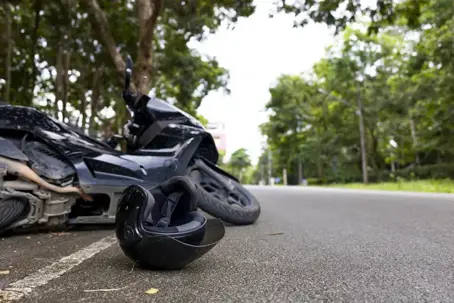
Riding a motorcycle in Louisiana offers freedom, but it also carries risks when other drivers fail to share the road. After a crash, many riders and families turn to the internet or well-meaning friends for guidance. Unfortunately, this often leads to confusion, hesitation, or decisions that work against their rights. Understanding the truth can make a significant difference during a stressful time.
If you have questions or want clear guidance right now, reach out to John Michael Morrow Law Firm through our online contact page or call (337) 329-8350. Help is available when it matters most.
Myth #1: “Motorcyclists Are Usually at Fault in a Crash.”
Many riders hear that they will automatically be blamed in any collision. This creates fear and discourages people from seeking help.
The Truth
Fault depends on evidence, not assumptions. In Louisiana, drivers must be vigilant for motorcycles, use turn signals, check their blind spots, and maintain a safe following distance to ensure their safety. When a driver fails to do these things, they may be responsible for the crash.
Key points to remember:
- Police reports, photos, dashcam footage, and witness statements help reveal what really happened.
- Lane size or lack of protection does not mean the rider is to blame.
- Fault decisions can be challenged when information is missing or incomplete.
Riders should never assume responsibility before the facts are clear.
Myth #2: “If I Wasn’t Wearing a Helmet, I Can’t Bring a Claim.”
Some riders feel embarrassed or worried if they were not wearing a helmet at the time of the accident.
The Truth
In Louisiana, not wearing a helmet does not prevent a person from pursuing a motorcycle-related injury claim. It may be considered in the process, but it does not erase the driver’s role in causing the crash.
Important things to know:
- The key question remains: who caused the collision?
- A driver who turns left without looking or follows too closely can still be held responsible.
- Your medical care and recovery should not be delayed because of fear or uncertainty.
Myth #3: “Motorcycle Accident Claims Are the Same as Car Accident Claims.”
Many people think all vehicle accidents follow the same rules. This leads to misunderstandings about injuries, insurance issues, and evidence.
The Truth
Motorcycle claims often involve more serious injuries and clearer exposure to danger. They may require closer review of:
- The impact speed
- The driver’s behavior
- Road conditions
- Protective gear
- Vehicle size difference
Riders also face unique challenges, such as:
- Being thrown from the motorcycle
- Being harder to see in traffic
- Facing bias from insurance adjusters who think motorcycling is “too risky”
These differences mean that motorcycle cases must be handled with care from the beginning. For more information about motorcycle collisions, see the firm’s page on motorcycle accidents.
Myth #4: “Minor Pain After a Crash Means I Don’t Need to File a Claim.”
Many motorcycle injuries don’t show up right away. The body releases adrenaline during a crash, which can hide pain.
The Truth
Pain that seems mild at first may become serious in the days or weeks after an accident. Motorcycle riders often experience:
- Soft-tissue injuries
- Concussions
- Back or neck injuries
- Road rash infections
- Damage to joints or muscles
Waiting too long can make it harder to receive the medical care and support needed later. Getting checked early protects both your health and your legal rights.
Myth #5: “If the Other Driver’s Insurance Company Calls, I Should Tell Them Everything.”
Many riders think speaking freely will speed up the process. Instead, these conversations can create problems.
The Truth
Insurance companies may use recorded statements to limit what they pay. Riders may be asked confusing questions or encouraged to guess details. Even small mistakes can be used against them.
Keep these tips in mind:
- You do not have to speak with the other driver’s insurance company.
- Saying “I’m not sure” is better than guessing.
- Written communication may be safer during stressful moments.
- You can always get help before responding at all.
Myth #6: “I Don’t Need Help Because My Injuries Seem Straightforward.”
Motorcycle injuries may seem simple at first, but they can be more complicated than expected.
The Truth
Even a broken bone or road rash can lead to:
- Long-term medical care
- Missed work
- Physical limitations
- Emotional stress
- Unexpected medical bills
The full picture often becomes clear only after weeks or months. Support during this time makes it easier to focus on getting better while protecting your rights.
Myth #7: “It’s Too Late to Ask Questions After I Made a Few Mistakes.”
Some riders feel discouraged if they didn’t gather evidence, didn’t see a doctor right away, or spoke to insurance adjusters before understanding their rights.
The Truth
It is common to feel overwhelmed after a crash. Reaching out for help later is still possible. Riders can still gather:
- Photos of the scene
- Medical records
- Bike repair details
- Witness names
- Police report information
The important thing is not to wait any longer once concerns arise.
Final Thoughts: Clearing Up Confusion Can Help Protect Your Future
Misunderstandings about motorcycle accident myths can make a tough situation even harder. Getting straightforward information early helps riders and their families make informed decisions about medical care, insurance conversations, and next steps.
If you’re unsure about anything after a motorcycle crash, you can ask questions at any time. The right guidance can ease stress and protect your well-being.
Have Questions? Reach Out for Support Today
If you or a loved one was involved in a motorcycle crash in Louisiana, John Michael Morrow Law Firm is available to explain your options in clear, simple terms. For more information, visit the page on motorcycle accidents or use the online contact form. You can also call (337) 329-8350 to speak with someone directly.